The Board of Control for Cricket in India (BCCI) has reportedly introduced major changes to its central contracts for the 2025-26 season. The board has removed the Grade A+ category and created a new three-tier system. The aim is to link contracts more closely with current workload and availability across formats.
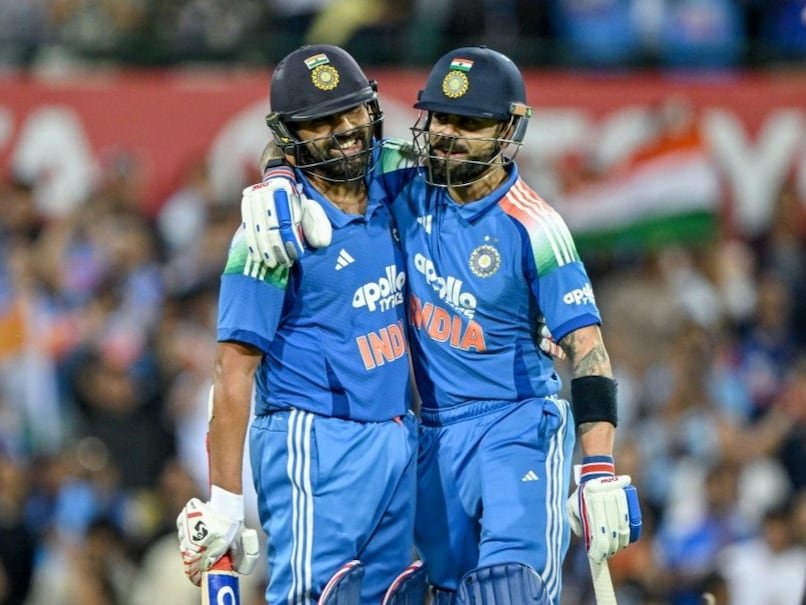
One of the biggest talking points is the placement of Virat Kohli and Rohit Sharma in Group B. Both players remain among India’s biggest cricketing names. However, the decision is linked to their present international commitments, not their past achievements.
New Structure Focuses on Current Contribution
Kohli and Rohit are no longer active in T20Is and Tests. They currently play only ODI cricket. Under the revised rules, players must be available across formats or hold key leadership roles to be in the top bracket. The change shows the board wants to reward present involvement rather than past reputation.
Group A is now the highest category. It includes only three players: Shubman Gill, Jasprit Bumrah, and Ravindra Jadeja. Gill has taken on more leadership responsibility. Bumrah remains India’s main fast bowler. Jadeja continues to contribute as an all-rounder in all formats.
Group B contains several important team members. Along with Virat Kohli and Rohit Sharma, it includes Suryakumar Yadav, KL Rahul, Hardik Pandya, Rishabh Pant, Mohammed Siraj, Kuldeep Yadav, Yashasvi Jaiswal, Shreyas Iyer, and Washington Sundar. These players are key parts of the team but do not meet the top-tier criteria.
Group C features emerging and format-specific players. Names include Axar Patel, Tilak Varma, Rinku Singh, Shivam Dube, Sanju Samson, Arshdeep Singh, Varun Chakravarthy, Ruturaj Gaikwad, and Ravi Bishnoi.
The overhaul has reportedly been shaped by the Ajit Agarkar-led selection committee. The removal of the Rs 7 crore A+ bracket signals a merit-based system focused on present performance. The move reflects a broader transition as Indian cricket plans for the future.